so we returned to a favorite from a prior visit for our dinner on the last night of the trip... gastrologik-
MICHELIN Guide
This intimate restaurant is owned by two accomplished young chefs. Cooking is innovative, flavours are pure and each main ingredient is allowed to shine. There's no menu as the dishes constantly evolve with each new delivery. Sit looking into the open kitchen or dine communally in the side room.
here is the NYT review -
Opened in October 2011 on a quiet street corner in the residential Ostermalm district, Gastrologik is the passion project of two young chefs: Jacob Holmstrom, who was an executive chef at the two Michelin-starred Mathias Dahlgren restaurants in Stockholm, and Anton Bjuhr, who specializes in baking and pastry. Together they helm a new Nordic kitchen as exciting as any of their critically lauded, Michelin-starred competition.
The restaurant seats only about 30 guests in its two small, spare dining rooms whose design subtly celebrates Scandinavia, from its pendant lamps (made of copper, formerly a major industry in Sweden) to its floors (Danish oak) and even the color of its walls (a hue called “Stockholm white”).
The minimalist aesthetic carries over to the menu card, which presents a single option without elaboration: three courses or six? The lack of specificity means that, for guests, the entire meal is a surprise. And though some diners may bristle at the uncertainty, during a six-course dinner in late April, not one course disappointed.
the menu for the night we dined with them- course photos follow in order (and yes I did get all seventeen of them LOL)
a lovely evening- and a great end to the trip... we headed back to Chicago the following day and Steve and Suzanne arrived about fifteen hours later for the visit recounted in the meals we had at El Ideas, 42 grams and mfk.... all excellent! so if you happened to (god forbid) miss the descriptions of that food - you can go back in the posts to late August!
stay tuned for more Chicago fun coming up- a couple of dinners - including the next:French Laundry and several plays and at least one concert before we finish September!
a blog about my semi-free-life after 30+ years of law (travel, food, theater, and an occasional rant)
Showing posts with label gastrologik. Show all posts
Tuesday, September 20, 2016
Stockholm at our pace
We checked into the Radisson Blu Waterfront for our time in Stockholm on our own. We had decided to stay over to try to get to gastrologik because we had loved it so much the last time we were here. We made arrangements to dine our first evening at Lisa Elmqvist. Sadly the food halls are closed for renovation for the next few years (they are really old) but the old stalwarts have a location across the street in a plywood (much fancier than it sounds) structure that houses the temporary home of the eating venues of the food halls.
our starter seafood platter - YUM with sauces above...
you can see the walls are plywood but the place is quite nicely done up-
ah they have one of my faves on the drink menu!
the oyster course - Phil did four and I had six- #loveoysters
my drink arrived finally! LOL
Phil's shrimp and my tartare both excellent!-
back to the hotel and the luxury of no wake up time the next morning!
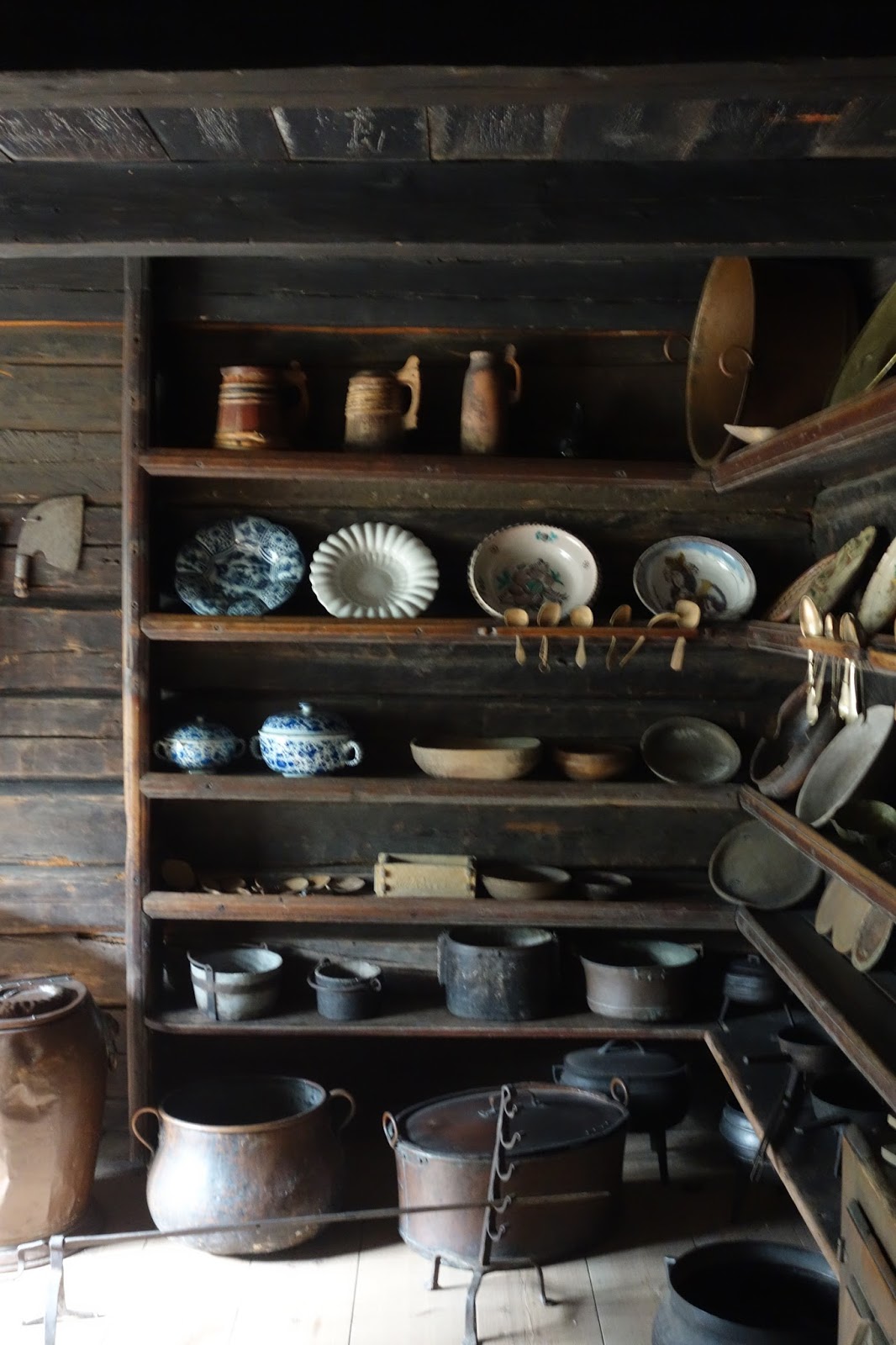
so we were off to Skansen for a trip around this wonderful park- Skansen is the first open-air museum and zoo in Sweden and is located on the island Djurgården in Stockholm, Sweden. It was founded in 1891 to show the way of life in the different parts of Sweden before the industrial era. The 19th century was a period of great change throughout Europe, and Sweden was no exception. Its rural way of life was rapidly giving way to an industrialised society and many feared that the country's many traditional customs and occupations might be lost to history. Artur Hazelius, who had previously founded the Nordic Museum on the island of Djurgården near the centre of Stockholm, was inspired by the open-air museum, founded by King Oscar II in Kristiania in 1881, when he created his open-air museum on the hill that dominates the island. Skansen became the model for other early open-air museums in Scandinavia and later ones elsewhere. Skansen was originally a part of the Nordic Museum, but became an independent organisation in 1963. The objects within the Skansen buildings are still the property of the Nordic Museum.
After extensive travelling, Hazelius bought around 150 houses from all over the country (as well as one structure from Telemark in Norway) and had them shipped piece by piece to the museum, where they were rebuilt to provide a unique picture of traditional Sweden. Only three of the buildings in the museum are not original, and were painstakingly copied from examples he had found. All of the buildings are open to visitors and show the full range of Swedish life from the Skogaholm Manor house built in 1680, to the 16th century Älvros farmhouses.
This place is wonderful and the last time we visited the weather was not optimal so we were thrilled to have a dry day this trip....
we enjoyed our time here and had a quick lunch at one of the restaurants - then we took the tram back to the hotel to pack and think about logistics for our return to the US the following day - but this evening brought a return visit to gastrologik which I will detail in the final post from the trip - up next... worth checking back for...
Subscribe to:
Posts (Atom)